
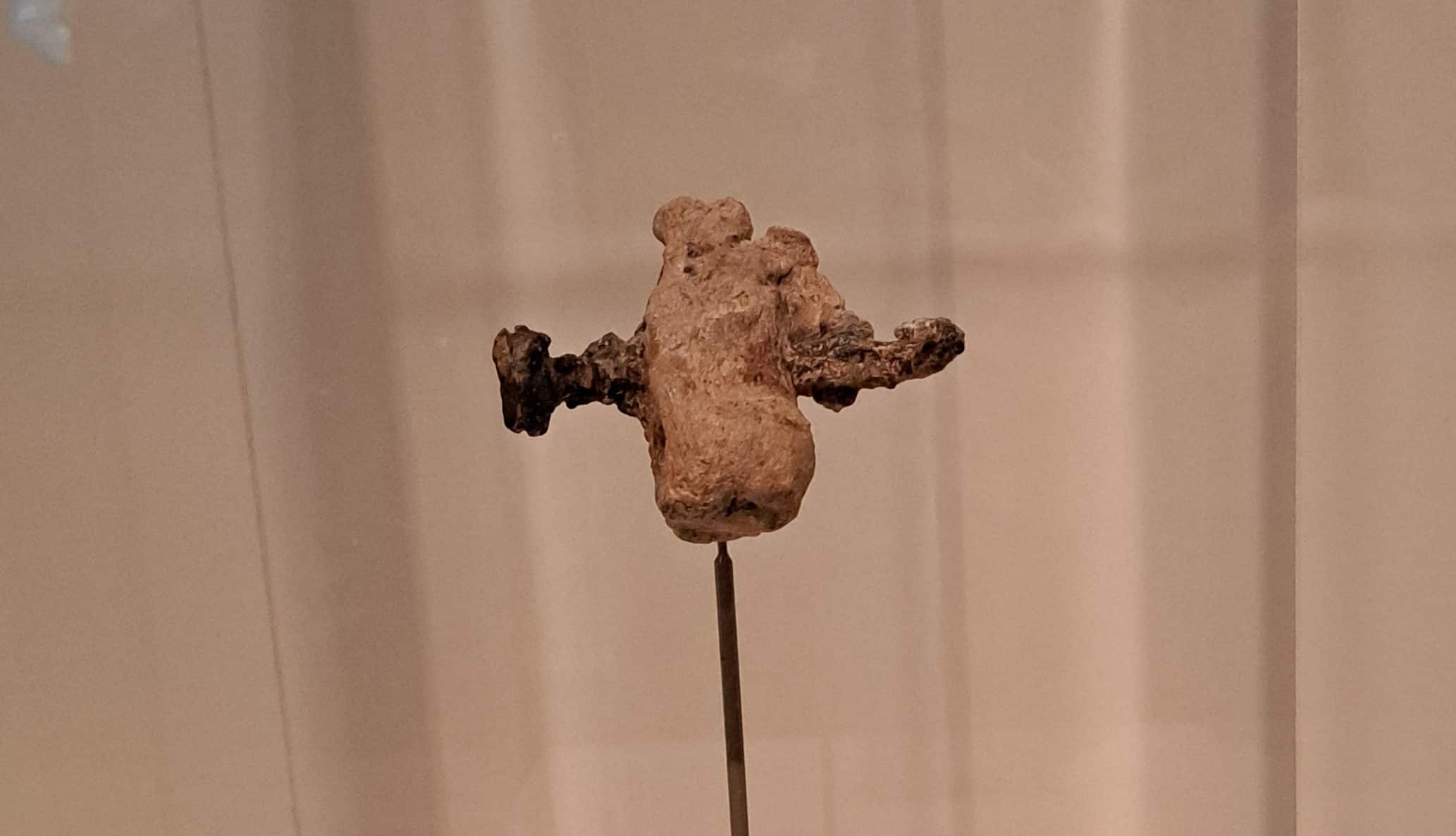


This article by Scott Stripling and Jonathan Moore was published in Jahrbuch für Antike und Christentum, 2024.
Crucifixion, a brutal form of capital punishment, reached its zenith in the 1st century AD. This article comprehensively explores the archaeological evidence, literary descriptions, and artistic depictions of Roman crucifixion during and just before and after this apogee. For the first time, an archaeologist and a podiatric surgeon jointly research the physical remains of five crucifixion victims in the Mediterranean Basin, three of which derive from Roman Judea, and three of which involve nails driven through the calcaneus bones of the victims. We explore a diversity of crucifixion methods and draw careful conclusions about what was normative. In addition to the five cases, we deal with the biblical and extrabiblical references to the crucifixion of Jesus of Nazareth as well as comparing the wounds of the crucified man seen on the ›Shroud of Turin‹ with the five known cases.
To read the entire article, open the PDF here.